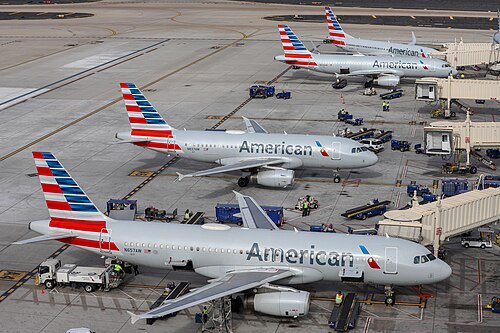
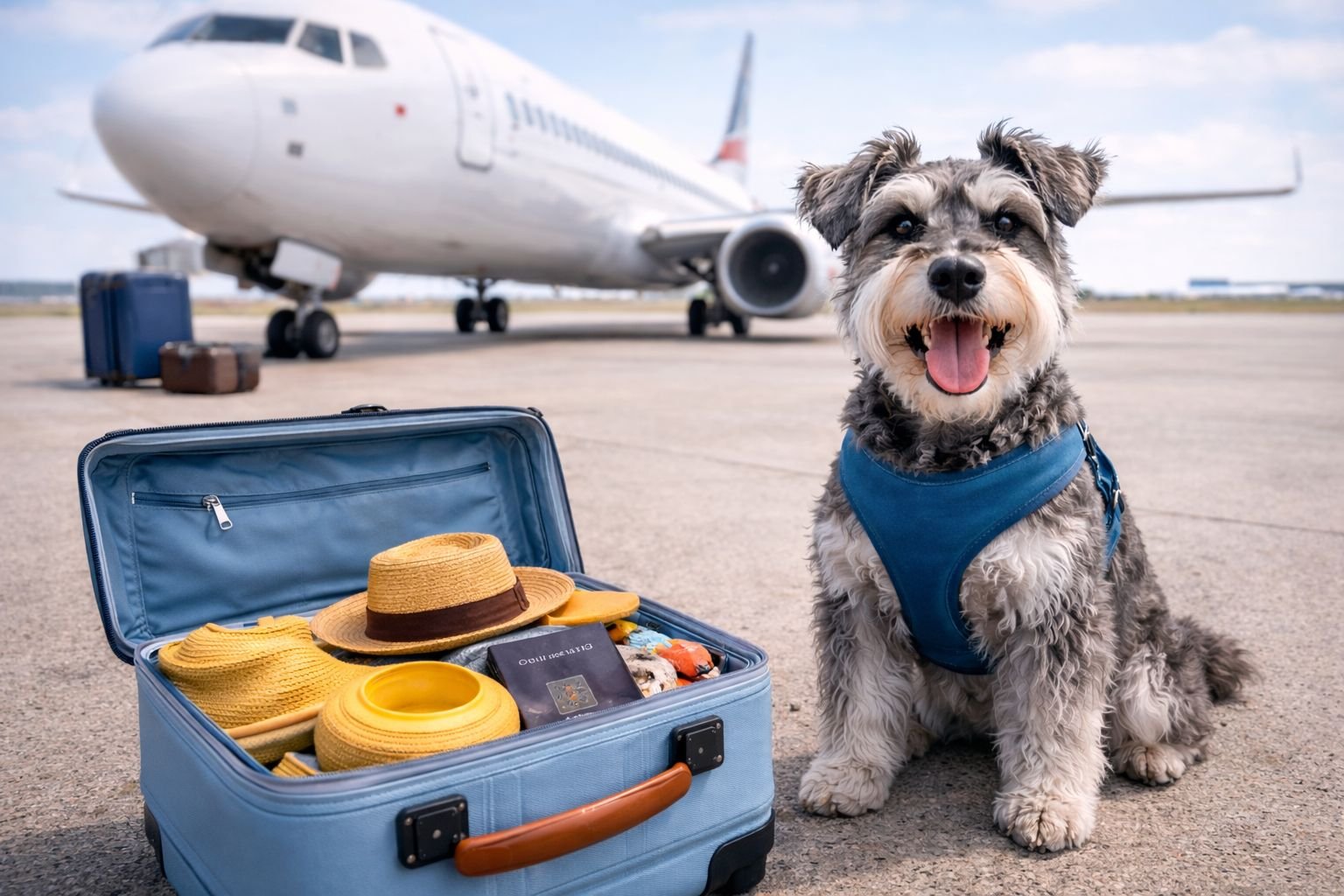
Airlines Pet Policy:
Airline Pet Policy: What to Know Before You Fly With Your Pet Thinking about flying with your dog or cat?
Here’s what you need to know so you and your pet can have a smooth trip. I’ll break down how airline policies work, what paperwork you need, and how to help your furry friend handle the journey.
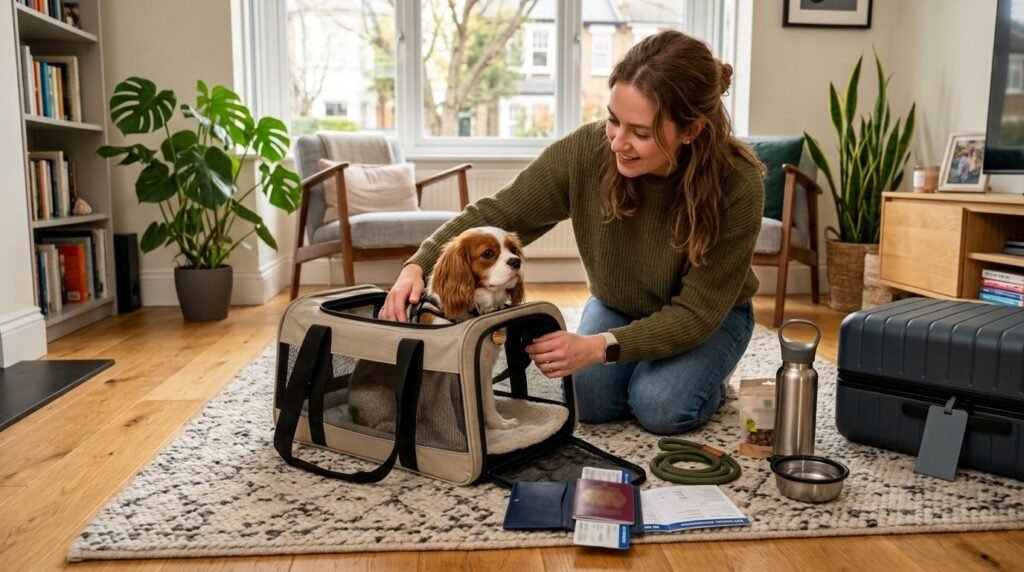
Traveling with your pet can be a great way to keep them close, but it takes some planning more than your usual vacation. Airline rules aren’t the same everywhere. They depend on the company, your destination, the type of plane, how big your pet is, and where they’ll ride (cabin or cargo). On top of that, countries and airlines make their own rules, so you’ll have more than just the basic international regulations to think about.
Before you book anything, take a little time to figure out which rules actually apply to your journey.
Can Pets Travel on Planes?
Yes, many airlines let pets fly, but not all animals are welcome and not all travel options are the same. For instance, Delta allows small dogs, cats, and some birds to ride in the cabin (as long as they’re in an approved carrier). United lets you bring your pet in the cabin too, but only one per adult or senior. Other airlines have different rules, and these can also change based on where you’re flying.
Bottom line: Check your airline’s pet policy each time you book. Don’t just assume past rules still apply.
1. Is Your Pet Even Allowed in the Cabin?
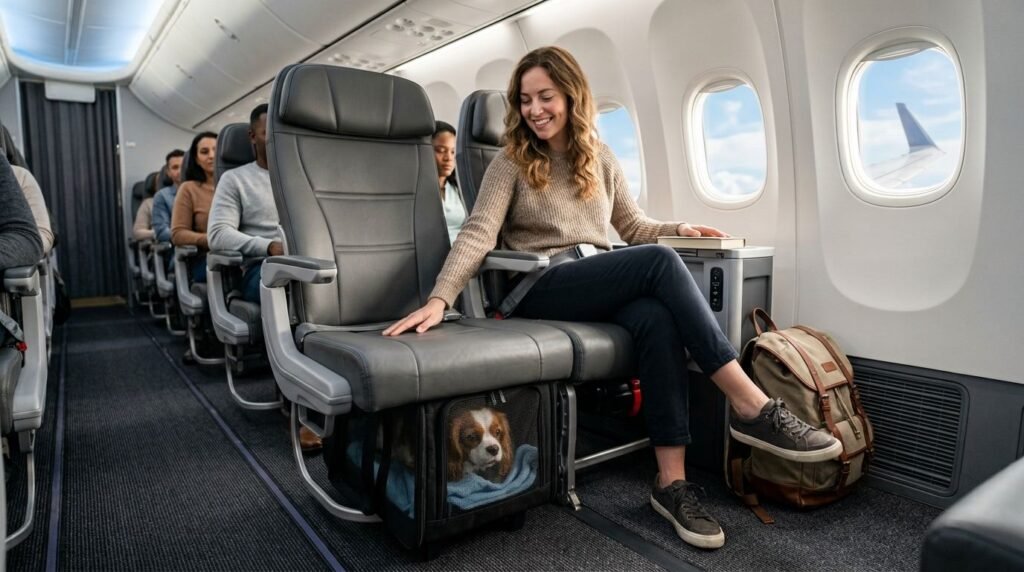
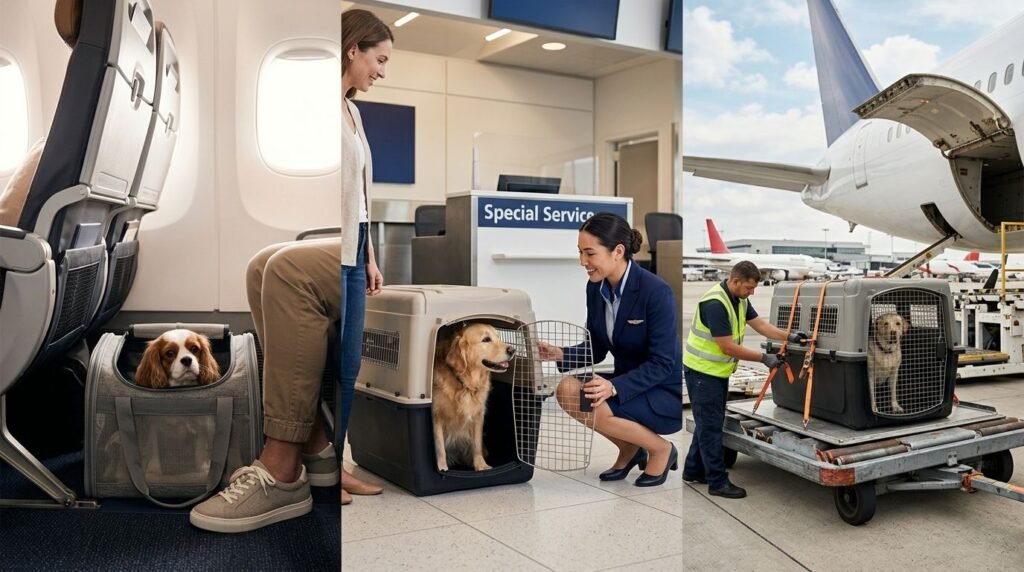
A lot of people want their dog or cat with them in the cabin. Usually, this means your pet has to stay inside a carrier that fits under the seat in front of you. The carrier should let them stand up, turn around, and lie down comfortably. Space for pets in the cabin is often limited, too. Some flights have a set number of pets allowed. So, the sooner you tell the airline about your pet, the better.
Pro tip: Call the airline right after you book your ticket. Some airlines need you to make a separate reservation for your pet, or at least confirm they have space.
2. Know the Difference: Cabin, Checked, or Cargo
Not all pets get to ride by your feet. Small dogs or cats are sometimes allowed in the cabin, but bigger pets usually have to go in the cargo area. Every airline handles pets differently. A few airlines have even changed their rules recently. Take Air Canada they only allow soft-sided carriers in the cabin, and space depends on which aircraft or seat you book.
Don’t assume anything. Double-check policies with your chosen airline before you finalize your plans.
3. Double-Check Your Pet’s Age and Health
Age limits differ by airline and country. Most won’t fly pets younger than eight weeks or not fully weaned. Some are even stricter. If your pet is older, has health issues, or has never flown, talk to your vet before making plans.
4. Gather the Right Paperwork
If you’re flying internationally, get ready for more paperwork than a regular trip. You might need: -Vaccination records
– Health certificates
– Microchip info
– Import permits
-Other government documents
Don’t just stop at airline rules. Make sure you check entry requirements for your destination and any countries you’ll pass through. Some transit countries have their own rules, and you’ll need to follow those too. Meeting airline requirements doesn’t mean you automatically meet a country’s entry rules they’re separate.

5. Pick the Right Carrier Your pet’s carrier matters a lot.
Airlines usually give you the exact size, material, and weight restrictions. The carrier has to be big enough for your pet to stand and turn around, but still fit under the seat. Don’t buy a carrier just because it says “airline approved.” Get the dimensions right from your airline first.
6. Reserve Your Pet’s Spot Early
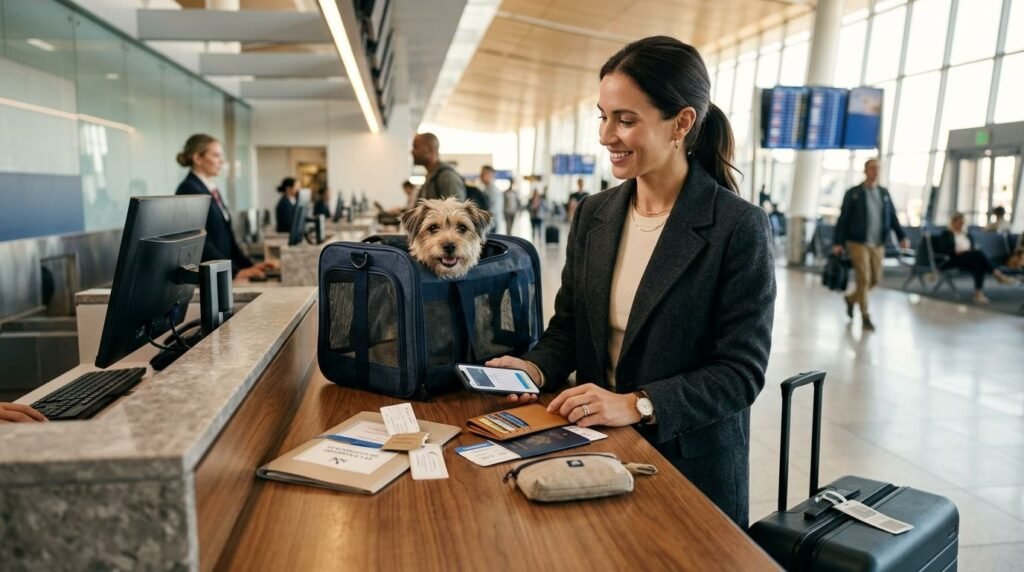
Don’t surprise the airline with a pet at check-in. Some airlines only allow a few pets per flight, cabin, or route. Contact them early to confirm your spot and avoid stressful last-minute problems. Booking in advance gives you extra time to gather paperwork, sort out carrier sizing, and double-check everything else.

7. Help Your Pet Get Ready to Travel
A bit of prep goes a long way. Start introducing your carrier at home and let your pet get comfortable inside it. On travel day, get your dog some exercise before the trip, and don’t feed them a heavy meal right before the flight. Unless your vet says otherwise, skip the sedatives they can actually make flying riskier for your pet.
8. Choose the Best Route
Nonstop flights are best they keep connections and handling to a minimum. If you’re flying internationally, keep in mind: connections can create extra paperwork or delays, since every country along the way may have its own rules. Look at your whole route, not just where you start and end.
9. Beware of Breed Restrictions
Some airlines and countries have strict rules for certain breeds, especially short-nosed dogs and cats. Hot weather can make things even riskier for these animals; they have a tougher time controlling their body temperature. Always check for breed restrictions before you book don’t risk your pet getting turned away at the airport.
10. Know the Pet Fees
Bringing your furry friend isn’t free. Fees vary by airline, route, and how your pet travels. Cabin fees on Air Canada, for example, depend on whether your trip is domestic or international. Airlines update pet policies and fees from time to time, so go straight to their website to see the newest info before you pay.
Airline Pet Rules Can Change Anytime The biggest thing to remember: there’s no single set of pet rules for airlines around the world. Airlines and countries update their policies, and rules change fast. What worked last year might not fly this year literally. For example, IATA’s Live Animals Regulations were updated in 2026, and they added new guidelines for cabin travel that summer.
So, don’t just rely on old blog posts or social media tips. Always check the latest info yourself. Quick Checklist: Before You Head To The Airport
– Confirmed your airline accepts your pet
– Checked cabin, carrier, and size requirements
– Reserved your pet’s spot
– Reviewed final destination and layover country rules
– Pulled together health and vaccination documents
– Bought the right carrier – Helped your pet get used to it
– Confirmed current pet fees and airport rules
Final Thoughts
Flying with your pet isn’t that hard if you plan ahead. Pick an airline that welcomes your pet, learn their rules for your trip, gather documents, and give yourself time before takeoff. At Travelotip, we’re here to help you travel smarter with your pet. Before every trip, double-check the latest rules directly with the airline and the country you’re visiting.
Ready to go? Visit Travelotip for more travel tips, airline info, and handy guides to make your journey smoother. Safe travels!