Destination Guides:
The Complete Travel Guide to Planning Your Perfect Vacation
Planning a trip doesn’t have to be stressful. This comprehensive guide walks you through every step. From choosing the right destination to timing your visit perfectly. So you can travel with confidence and make the most of your adventure.

This complete travel guide is designed to be a trusted companion through every stage of a traveler’s planning process. From the sparks of inspiration all the way to the moment a traveler zips up a suitcase this guide walks a traveler through each step with clarity and confidence. Take a breath grab a notebook and begin building a perfect vacation.
Choose the Right Destination for Your Travel Style:
The first and arguably most important step in planning any trip is choosing where to go. With every corner of the globe now accessible to travelers the options can feel both thrilling and overwhelming. The key is to narrow choices based on who a traveler’s what a traveler wants to experience and what a traveler can realistically afford.
Identify Your Travel Preferences and Budget:
Determine What Type of Traveler You Are (Adventure, Luxury, Budget, Cultural)
Before a traveler even opens a browser tab or flips through a travel magazine take a moment to reflect honestly on what kind of travel experience excites a traveler most. Is a traveler a seeker who craves zip‑lining through jungle canopies, white‑water rafting and hiking active volcanoes? Or does a traveler prefer the pleasure of boutique hotels, private dining experiences and curated cultural tours? Maybe a traveler is a budget‑conscious backpacker who finds joy in hostel conversations, local street markets and stretching every dollar as far as it will go.. Perhaps a traveler is a cultural traveler, drawn to ancient ruins, local art scenes, traditional festivals and stories embedded in a place’s history. Understanding a traveler’s personality is not a fun exercise it directly shapes every decision that follows, from destination selection to the type of accommodation a traveler books.
Set a Budget That Covers Flights, Accommodation and Activities
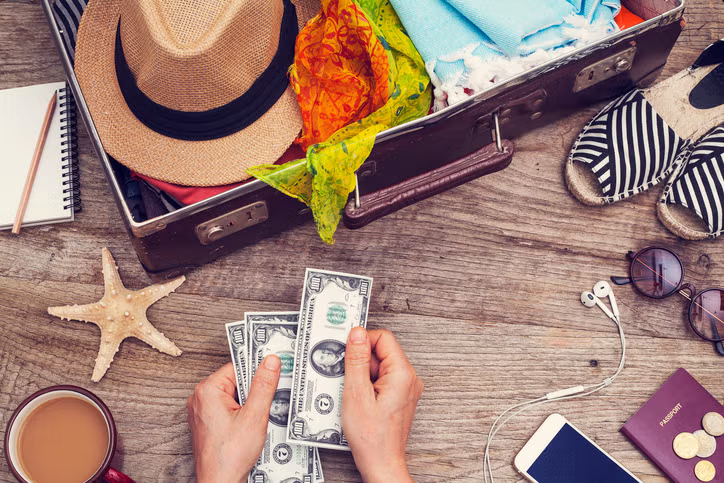
Once a traveler has identified a travel style it is time to talk numbers. A realistic budget is the backbone of any well‑planned trip and the earlier a traveler establishes one, the better. Start by estimating the three travel expenses: flights, accommodation and daily activities or excursions.Do not forget to factor in obvious costs such as travel insurance, airport transfers, dining, shopping, tipping and emergency funds. A good rule of thumb is to add a 10–15 % buffer to whatever total a traveler calculates—travel has a way of presenting and sometimes unexpected) opportunities to spend. Be honest with a traveler about what a traveler can afford and remember that some of the world’s extraordinary destinations are surprisingly budget‑friendly.
Compare Safety, Infrastructure and Accessibility of Different Locations:
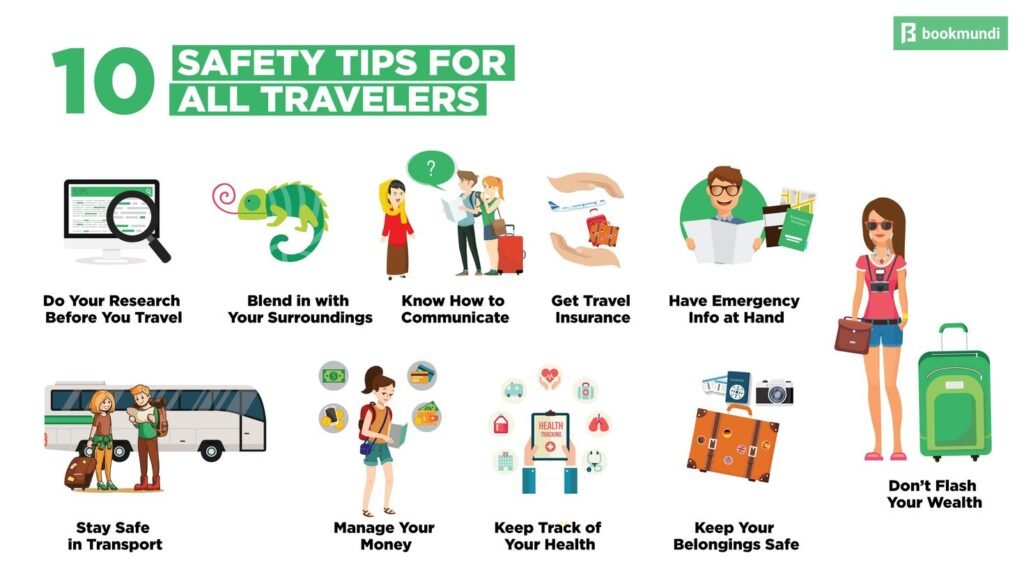
Not all destinations are created equal when it comes to ease of travel. As a traveler researches, pay attention to factors such as transportation infrastructure, language accessibility, political stability and overall safety for tourists. Some destinations have public transit systems, widespread English language signage and well‑developed tourist infrastructure making independent travel a breeze. Others may require preparation, local guides or additional logistical planning. Consider a traveler’s comfort level with uncertainty and unfamiliarity. A well‑trodden tourist trail might feel too predictable for a seasoned adventurer. Could be ideal for a first‑time international traveler. There is no answer the best destination is the one that matches a traveler’s current travel readiness and personal excitement.

Choosing where a traveler goes is half the equation:
Choosing where a traveler goes is half the equation. Knowing when a traveler goes can be just as transformative. The right timing can mean the difference between crystal‑clear skies and two weeks of monsoon rain uncrowded beaches or elbow‑to‑elbow tourist masses and budget‑friendly prices or peak‑season premiums.
Every destination has its seasonal rhythm and understanding those rhythms is one of the most valuable things a traveler can do. Most destinations fall into three categories: peak season (the most popular time usually with the best weather) shoulder season (transitional months with moderate weather and fewer tourists) and off‑season (the least visited period often due to unfavorable weather or closed attractions
Before locking in travel dates travel researches what festivals, public holidays and cultural events are scheduled at the destination during the proposed visit
Consider the running of the bulls in Pamplona, Carnival in Rio de Janeiro, the Lantern Festival in Thailand or Cherry Blossom season in Japan. These events draw visitors from around the world and create once-in-a-lifetime memories. But they also bring massive crowd surges, skyrocketing prices and accommodation shortages if travel is not booked well in advance.
Sort Out Your Documents
Nothing stops a trip quicker than a document problem at the airport. Start here. Start early.
Gather Passports, Visas, Travel Insurance and Booking Confirmations
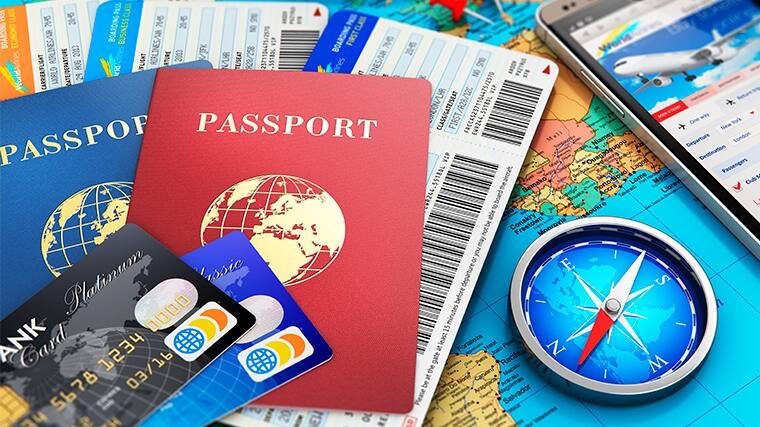
Before anything check your passports expiration date. Many countries need at least six months of validity beyond your travel dates. Next look into visa requirements for your destination; some can be handled online in minutes while others need weeks of time. Once your documents are ready bring together your travel insurance policy and all booking confirmations (flights, hotels, tours) into one place. A special folder. Physical or digital. Helps you grab everything quickly and having digital copies saved on your phone or cloud storage means you are covered even if paper copies are lost.
Exchange. Arrange Credit Cards and Tell Your Bank
No one wants to arrive in a new country and find their card does not work. A days before you go exchange a small amount of local currency for immediate costs like taxis or snacks. Airport kiosks usually have bad rates so a local bank or currency exchange service is often a better choice. If you plan to use credit or debit cards check if they have foreign transaction fees and think about a travel card if not. Importantly tell your bank about your travel dates and places ahead of time; a strange charge from abroad can cause a fraud alert that freezes your account at the worst time.
Pack. Efficiently
Packing well is less about filling everything in and more about packing with purpose.
Make a Packing List Based on Weather and Activities You Plan to Do
Before you fold a shirt check the weather forecast for your destination and think about your schedule. Hiking, beach days, business meetings and formal dinners all need clothes. Create your list around your real plans instead of a general template. This is also the time to think about layering options since weather can change quickly and to make sure you have any activity- items you might need, like swimwear, hiking boots or a blazer.
Use Packing Cubes and Reduce Luggage to Stay Organized
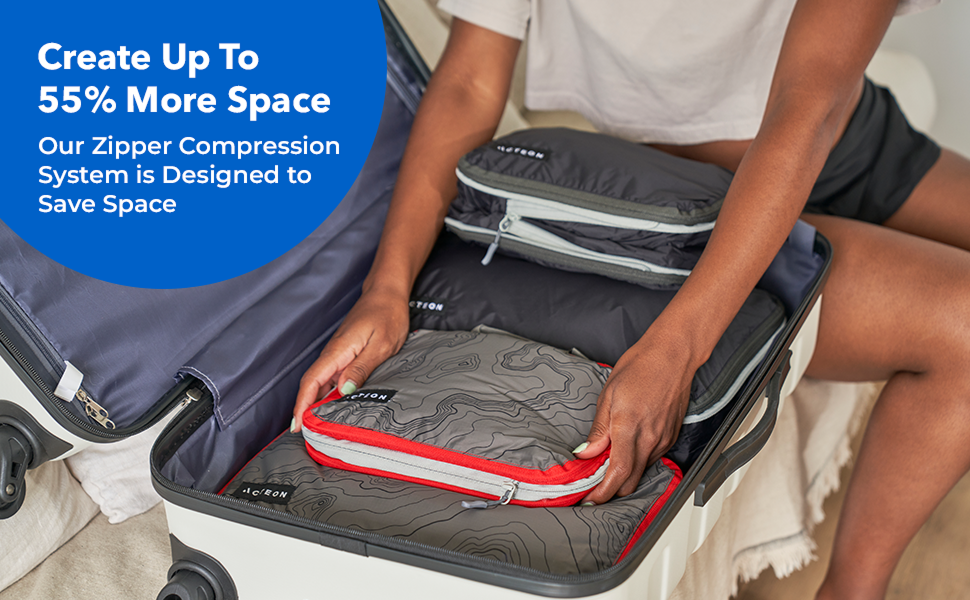
Packing cubes are a cost that gives big rewards. They compress your clothes keep different groups separated (for example: workout clothes in one, undergarments in another) and make unpacking at your destination almost easy. Beyond being organized aim to bring overall. A general rule: lay out everything you think you need then take a third of it. Fewer bags mean less to carry, less to manage and more freedom to move through airports and cities with ease.
Deal With Health and Safety Preparations
Your health while traveling deserves the planning as your schedule.
Go to a Doctor for Vaccinations or Health Advice About Your Destination
Some places need vaccines while others have higher chances of sickness not common at home. Make an appointment with your doctor or a travel medicine clinic at four to six weeks before you leave since some vaccines need time to work or require more than one dose. This is also a time to refill any medicines and ask about drugs for common travel problems like motion sickness or travelers diarrhea.
Look Up Local Healthcare Places and Get Travel Insurance
with the best plans problems can happen. Spend a minutes to find hospitals or clinics near where you will be staying and save their contact information somewhere you can reach. Combine this with a travel insurance policy. One that covers medical problems, trip cancellations and lost bags. Means you won’t be surprised financially if something happens. Read the details carefully since coverage can be different between companies.
Your Full Travel Guide Begins With Good Planning
Great trips are not about the place you go. They are built on the preparation that happens before you leave home. By making sure your documents are ready handling your money packing with care and taking health seriously you prepare for a trip filled with adventure than problems you could have avoided. Go through this guide a little at a time in the weeks before you leave. You will walk into the airport feeling ready, for anything.