
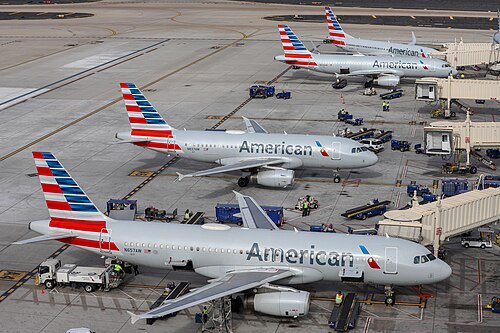
Airline News
Airline News Around the World: Key Developments Travelers Should Know in 2026
From shifting flight times and higher fuel prices to digital travel papers and airline tech the worldwide flight business keeps changing. These are the updates that travelers should know.
The airline world is always turning. Fresh routes appear, schedules shift, tech changes the airport experience and worldwide events can swiftly alter flights and prices.
By September 2026 many key changes are shaping flight travel. Below are the important airline stories and trends to notice.
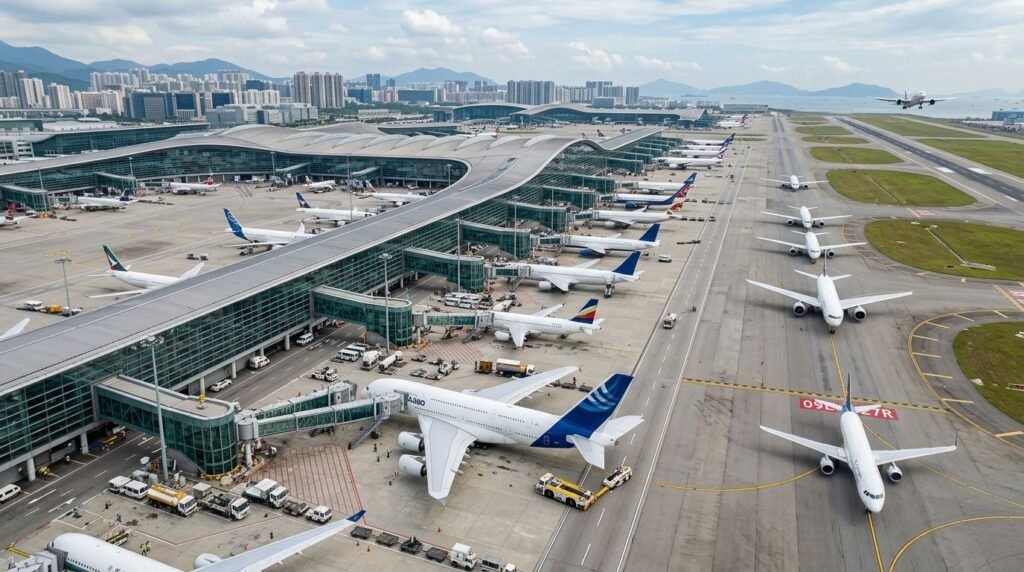
1. Global Air Travel Demand Remains Strong
with shaky economics, higher fuel costs and some regional disruptions worldwide passenger demand kept growing in July 2026.
IATA reports that worldwide passenger demand rose 0.2% from July 2025 and airline capacity rose 0.3%. Domestic demand grew 0.6% while international demand fell a little. IATA also notes growth in Africa, Europe and Latin America.
For travelers this means that flight demand stays high even though airlines face costs and shifting markets.
2. Higher Fuel Costs Are Affecting Airline Schedules
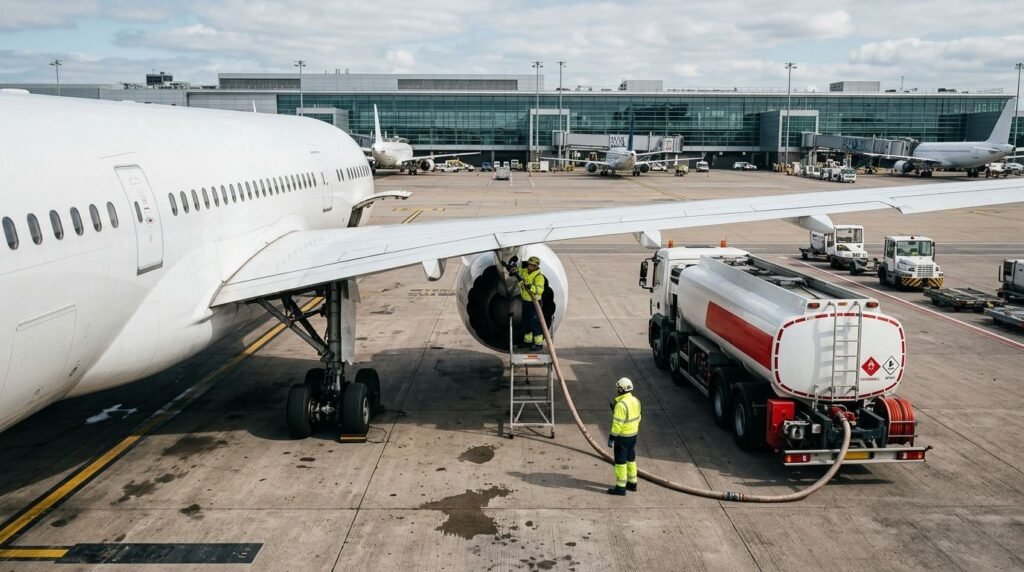
Fuel prices are an issue for airlines in 2026.
Several big U.S. Carriers are changing their planned schedules because of fuel costs. American Airlines said the latest jump could add about $1 billion to its Q4 fuel costs. United cut some December flights. Said more changes might come. Southwest also lowered its planned capacity growth for 2026.
This matters to passengers because airlines might drop routes that’re less profitable when costs rise.
Travel Tip: If you plan a trip check your flight status and schedule often instead of relying only on the original itinerary.
3. Air Travel in the Middle East Continues to Recover
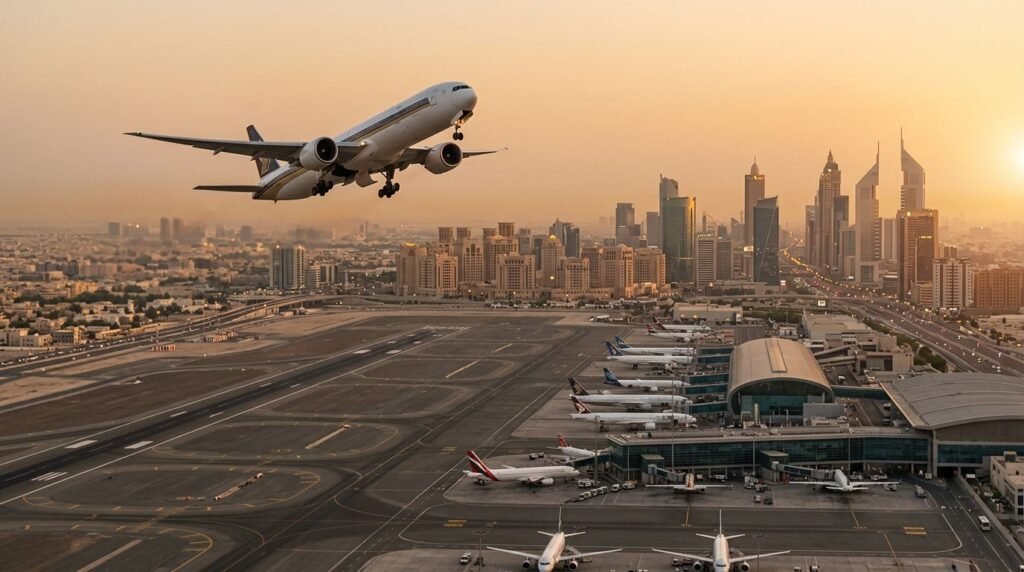
Airlines in the Gulf region are slowly recovering from disruptions that hit Middle East operations.
Etihad Airways said its seat capacity was 15% to 17% higher than a year ago and its August load factor hit 92%. The airline said passenger patterns were shifting and that more travelers book closer to departure.
This recovery is watched closely because Gulf airlines link Europe, Asia, Africa and other international markets.

4. Major UK Air Traffic Control Disruption Highlights Infrastructure Challenges
A big air traffic control disruption in the UK in September hit hundreds of thousands of passengers and caused about 2,000 flight cancellations.
NATS, the UKs air navigation service said on September 18 that the incident was caused by a software defect in part of its flight‑data system. The organization said mitigation measures were in place and a permanent fix was being safety tested. NATS also said passenger safety was not compromised during the incident.
This event reminds us that flight disruptions can come from airport and air‑traffic‑control infrastructure, not just airlines.
5. Airlines Are Investing More in Digital Travel
Digital technology is becoming more important throughout the passenger journey.
IATA has recently highlighted the need for systems to verify digital visas and travel authorizations. The association is also working toward digital passenger processes and faster information sharing between airlines, airports and governments.
For passengers this trend could mean digital documents, quicker identity checks and less reliance, on paper.
However travelers should still check the destination requirements before leaving, for international trips.

6. Airlines Are Looking at New Ways to Reduce Delays
Technology is also being used to improve flight operations.
In the U.S. the FAA has been working with airlines on a new system called SMART, which uses predictive data to manage schedules, weather disruptions, airport capacity and airspace congestion. The initiative is part of an effort to modernize U.S. Air‑traffic‑control infrastructure.
The goal is to spot problems and improve coordination when disruptions happen.
7. Sustainability Remains a Major Airline Industry Issue
Airlines keep working to cut aviations impact with sustainable aviation fuel (SAF) staying a key part of the industrys long‑term plan.
IATA says SAF could provide 65 percent of the emissions reductions needed by 2050 for the airline industry’s net‑zero ambition.
At the time IATA’s analysis from September 18 said that the supply of eligible emissions units under CORSIA is growing but still falls short of the level expected to be needed by January 2028.
The development of fuels and other technologies is therefore expected to remain an important subject in airline news.

8. Airlines Are Continuing to Modernize Their Fleets
Fleet modernization is another trend in global aviation.
Airlines are working to introduce aircraft while managing aircraft delivery delays, maintenance requirements and higher operating costs. Some carriers are also restructuring routes and fleets to improve efficiency.
For example AirAsia said it is returning 25 aircraft to lessors while accelerating its strategy around newer Airbus A321LR and A321XLR aircraft.
Newer aircraft can offer airlines improved fuel efficiency and provide passengers with updated cabins and onboard features.
9. Airline Industry Leadership Is Changing
The global airline industry is also preparing for a change in leadership at IATA.
Saadia Zahidi is scheduled to become IATA’s ninth director general on November 1 2026 succeeding Willie Walsh.
The change comes as airlines continue to deal with issues including fuel prices, supply‑chain constraints, digital travel, sustainability and infrastructure.
10. What These Changes Mean for Travelers
Airline news is not important for aviation professionals. These developments can directly affect passengers.
Changes in fuel costs can influence fares and schedules. Operational disruptions can lead to delays or cancellations. New digital systems may change how travelers check documents and move through airports. Fleet changes can also affect aircraft types, cabin experiences and available routes.
For this reason staying informed before a trip can be just as important as booking the flight itself.
Final Thoughts
The global airline industry is entering another period of change. Passenger demand remains substantial while airlines are adapting to fuel‑price pressures, operational disruptions, technological developments and sustainability requirements.
For travelers the best approach is to stay flexible monitor flight information verify travel documents and check the information directly with the airline before departure.
At Travelotip we aim to keep travelers informed with airline news, travel guides, flight information and practical tips to help make every journey easier.
Stay informed. Travel prepared. Discover more with Travelotip.
Suggested Blog Settings
Category: Airline News
SEO Airline News 2026: Latest Global Aviation Updates | Travelotip
Meta Description: Stay updated with the airline news around the world including flight schedules, fuel costs, air travel demand, technology, sustainability and industry developments.
Excerpt: Discover the airline news from around the world including changing flight schedules rising fuel costs, digital travel technology, sustainability and major aviation developments, in 2026.